


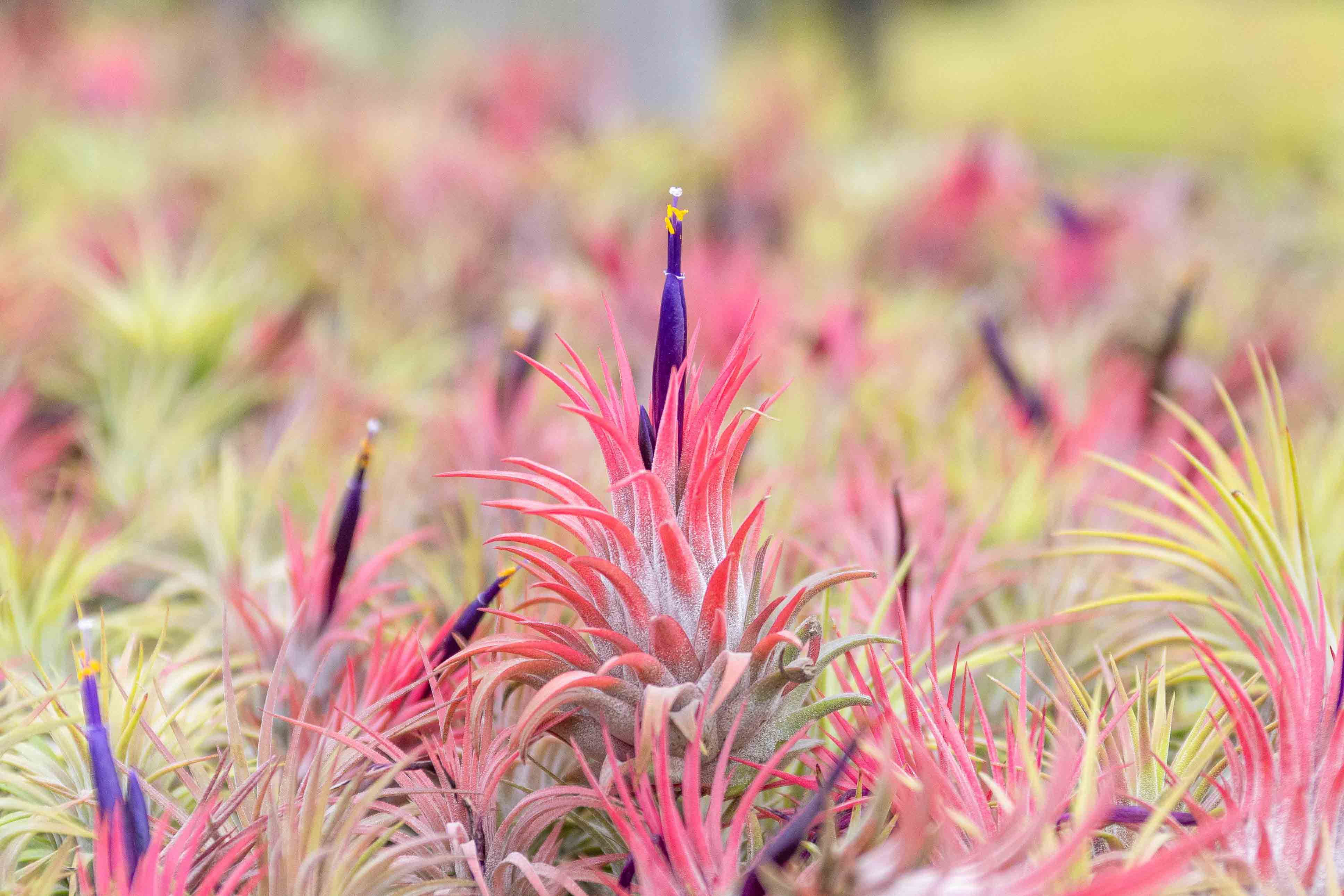


Cork bark is one of the most versatile natural materials used in terrariums, vivariums, reptile habitats, and air plant displays. Its rugged texture, natural appearance, and exceptional resistance to moisture and decay make it a favorite among plant enthusiasts, reptile keepers, and bioactive habitat builders alike.
Whether you're creating a custom air plant display with cork bark or incorporating it into a naturalistic animal enclosure, a little preparation and routine care will help ensure your cork bark remains beautiful and functional for years to come.
Why Cork Bark Is Perfect for Habitats and Air Plant Displays
Harvested from the outer bark of cork oak trees, cork bark is lightweight, durable, and naturally resistant to rot. These qualities make it an ideal material for humid environments where other woods may eventually break down. To learn more about the sustainable process behind this unique material, explore our informational blog on harvesting cork bark.
In reptile and amphibian habitats, cork bark can be used to create climbing surfaces, hiding spots, backgrounds, and enrichment features. For air plant enthusiasts, cork bark provides a natural mounting surface that allows Tillandsia to thrive while creating striking vertical displays.

Preparing Cork Bark for Live Animal Enclosures
Before introducing cork bark into a reptile, amphibian, or invertebrate habitat, it's a good idea to inspect and clean it.
Start by brushing away any loose debris, dust, or particles with a soft-bristled brush. If desired, rinse the bark with clean water and allow it to dry completely before placing it inside the enclosure.
Because cork bark is naturally resistant to mold and decay, it performs exceptionally well in humid environments. Its durability makes it a long-lasting choice for both tropical and arid habitat setups.
Looking for inspiration? Many hobbyists combine cork bark with Tillandsia air plants to create realistic, living environments that mimic natural ecosystems while providing enrichment and visual appeal. Check out our mixed vivarium cork pieces here!

How to Water Air Plants Mounted on Cork Bark
Cork bark is one of the best surfaces for mounting air plants. Its textured surface provides excellent grip for roots while allowing airflow around the plant, helping prevent moisture-related issues.
Whether your air plants are naturally attached to the bark or secured with wire or plant-safe adhesive, mounted plants require a slightly different watering routine than loose air plants.
Misting Mounted Air Plants
For many species, misting is the easiest and most convenient watering method.
Mist the plant thoroughly up to three times per week, ensuring all leaves receive moisture. While watering, avoid allowing water to pool in the center or base of the plant. After misting, gently shake away excess water and position the plant upside down or at an angle until completely dry.
Proper drying is just as important as watering, as trapped moisture can lead to rot. New to Tillandsia care? Explore our complete Air Plant Care Guide for additional watering, lighting, and maintenance tips.
Soaking Cork Bark Air Plant Displays
Some air plants require deeper hydration than misting alone can provide. If you notice curled leaves, visible wrinkling, or a plant that feels lighter and less hydrated than usual, it's often a sign that a deeper soak is needed.
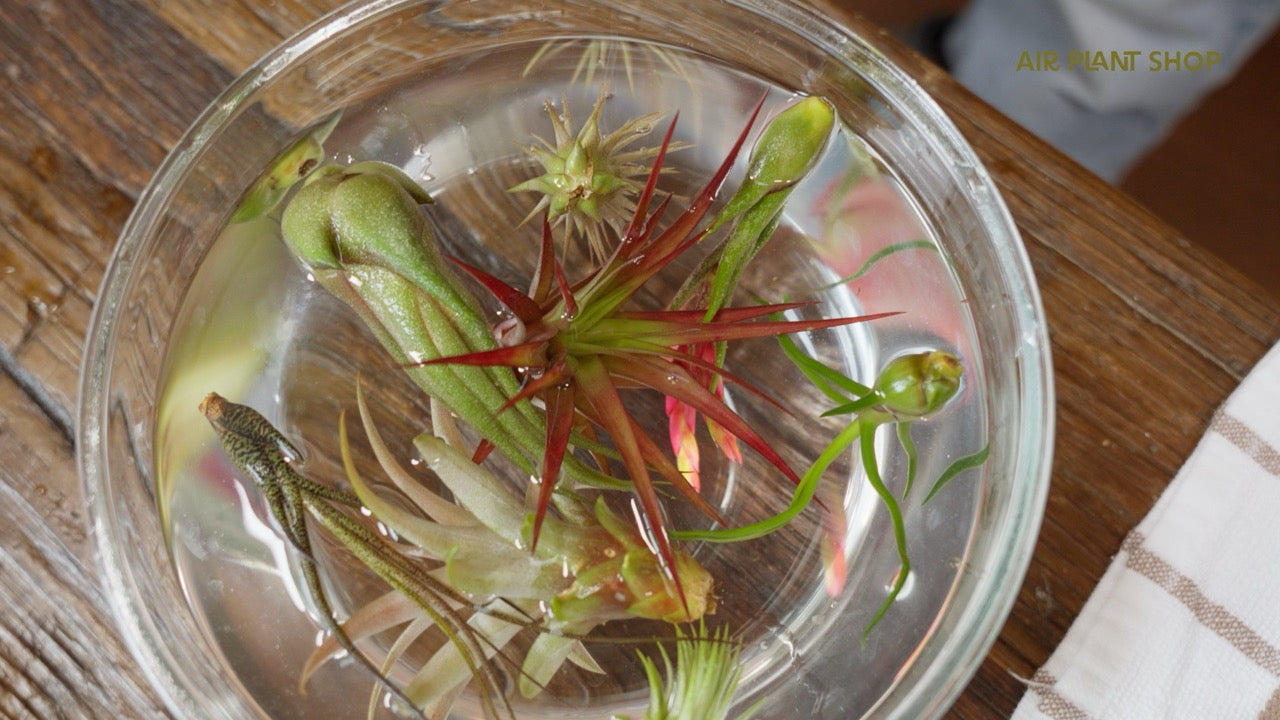
When this happens, you can soak the entire cork bark display by floating it in water for approximately 15–30 minutes with the air plants facing downward. Cork bark naturally floats, making this method both simple and effective!
Don't worry about the bark becoming waterlogged—cork bark is highly durable and naturally tolerant of repeated soaking. Once hydration is complete, remove the display, gently shake away excess water, and allow the plants to dry thoroughly before returning them to their normal position.
The key is ensuring that water does not remain trapped within the plant's base or crown.
For additional inspiration and step-by-step mounting ideas, explore our guide to creating air plant wood displays.
Long-Term Cork Bark Maintenance
One of the greatest benefits of cork bark is its low-maintenance nature. With occasional care, it can stay perfect for many years.
Over time, cork bark may accumulate dust, mineral deposits, substrate particles, or organic debris. Routine cleaning is simple:
-
Remove loose debris with a soft brush.
-
Rinse with clean water when necessary.
-
Allow the bark to dry completely before returning it to enclosed environments.
In high-humidity conditions, especially when exposed to fresh organic material, mold or fungal growth can occasionally develop on the surface. If mold appears:
- Gently remove visible growth using a soft brush.
- Spot-clean affected areas with a solution of equal parts water and distilled white vinegar.
- Allow the cork bark to dry completely before placing it back into an enclosure or display.
Avoid harsh chemical cleaners, soaps, or disinfectants, as residues may be harmful to both plants and animals.
Good airflow and ventilation are the best defenses against mold and help maintain a healthy environment for everything living on or around the cork bark.
Enjoy Cork Bark for Years to Come

With minimal maintenance, cork bark can remain a beautiful focal point in terrariums, vivariums, reptile habitats, and air plant displays for many years. Regular cleaning, proper watering techniques, and occasional inspections help preserve its natural beauty while supporting the health of the plants and animals that depend on it.
From individual display pieces to bulk purchasing options, our Cork Bark Collection and Wholesale Cork Bark Collection make it easy to find the right cork bark for any project. Its durability, versatility, and organic appeal make it one of the most popular mounting surfaces for Tillandsia, helping create natural displays that bring texture and character to any space.
FOLLOW US ON FACEBOOK & INSTAGRAM!
Leave a comment